Introduction
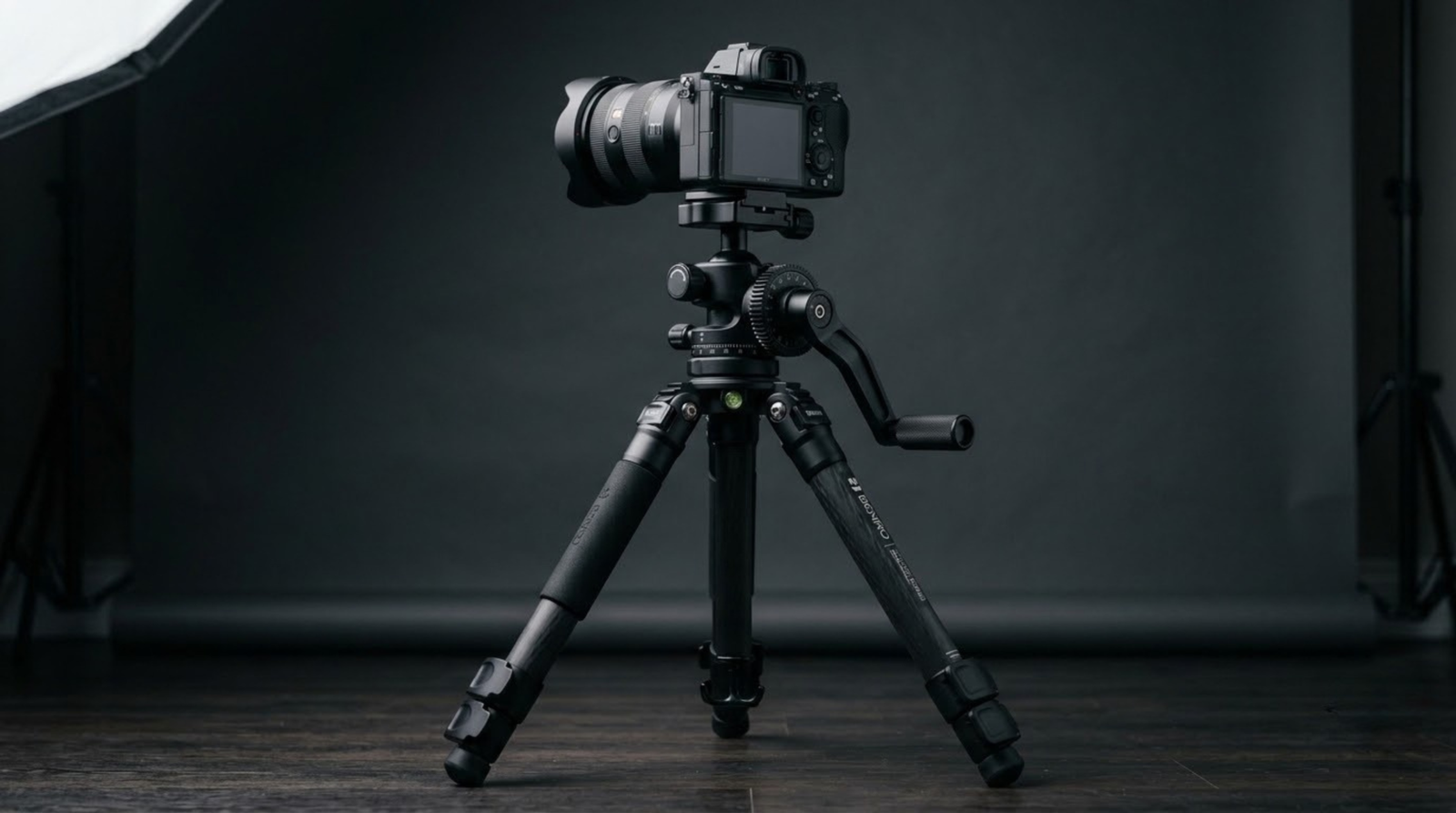
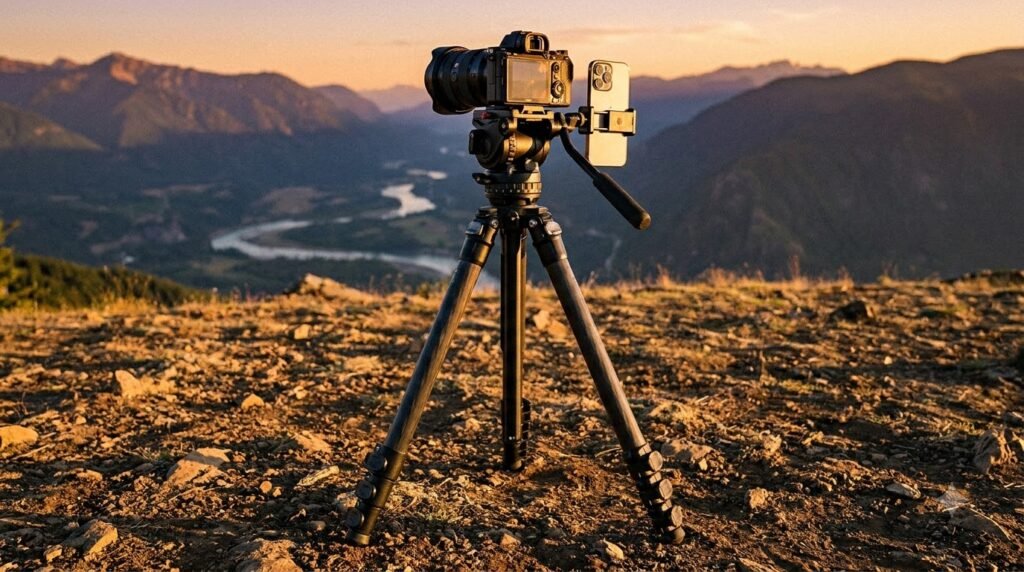
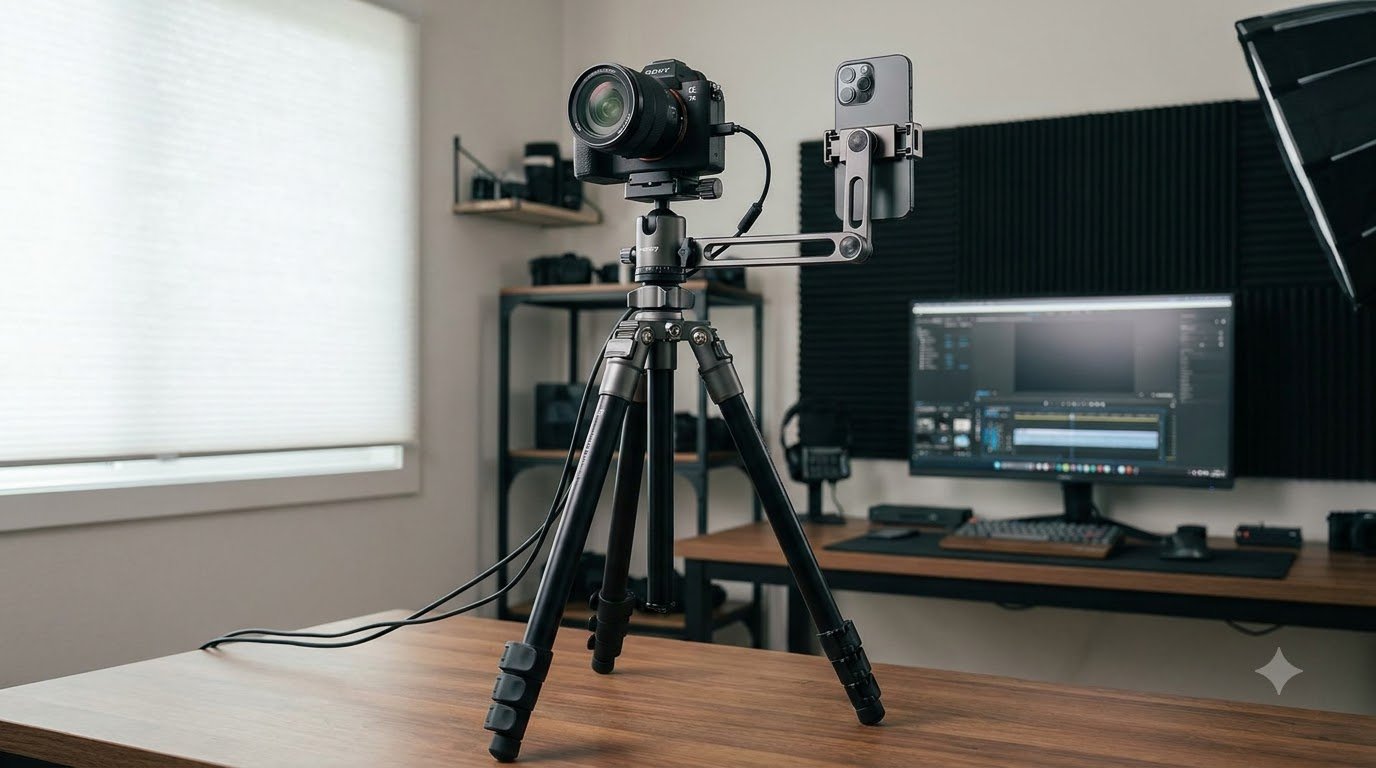
Whether you’re shooting on a DSLR, a mirrorless camera, or just your smartphone, shaky footage and blurry photos usually come down to one missing accessory — a solid tripod. Finding the best camera and phone tripod means looking beyond just the price tag and understanding what actually keeps your shots steady, whether you’re filming a product review, a travel vlog, or a family photo. This guide breaks down exactly what to look for, so you can pick a tripod that works for both your camera and your phone without buying two separate stands.
Why a Good Tripod Still Matters
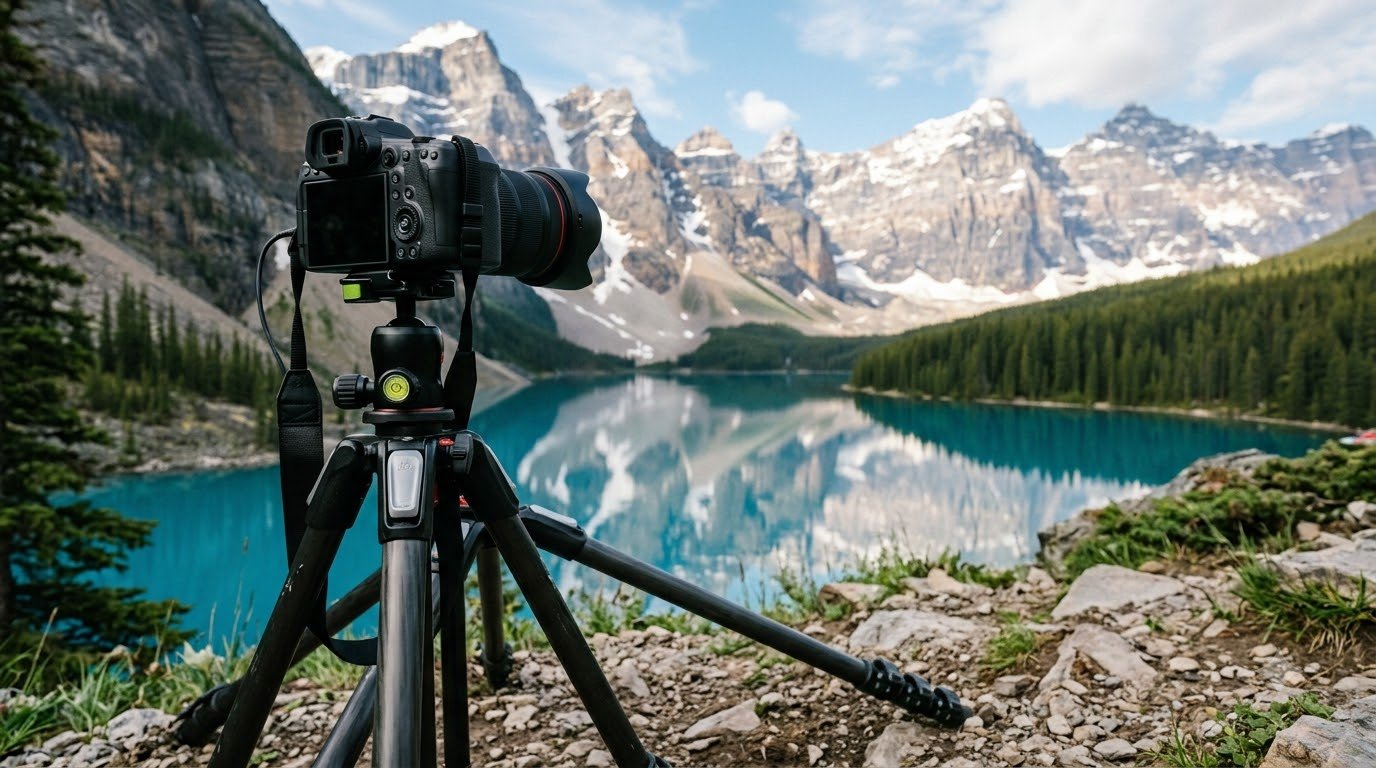
A tripod is one of the oldest and most essential pieces of photography equipment, and its job hasn’t changed — a tripod stabilizes and elevates a camera to eliminate shake and achieve sharper, steadier results, especially during long exposures or handheld-difficult shots. For phone users, the same principle applies: a shaky video ruins even the best content, and a tripod is the simplest fix.
What Makes a Tripod “Best” for Both Camera and Phone Use
Not every tripod works equally well across devices. The best camera and phone tripod should offer:
- A universal mounting head that accepts both a standard camera plate and a phone clamp
- Stable, non-wobbly legs even at extended height
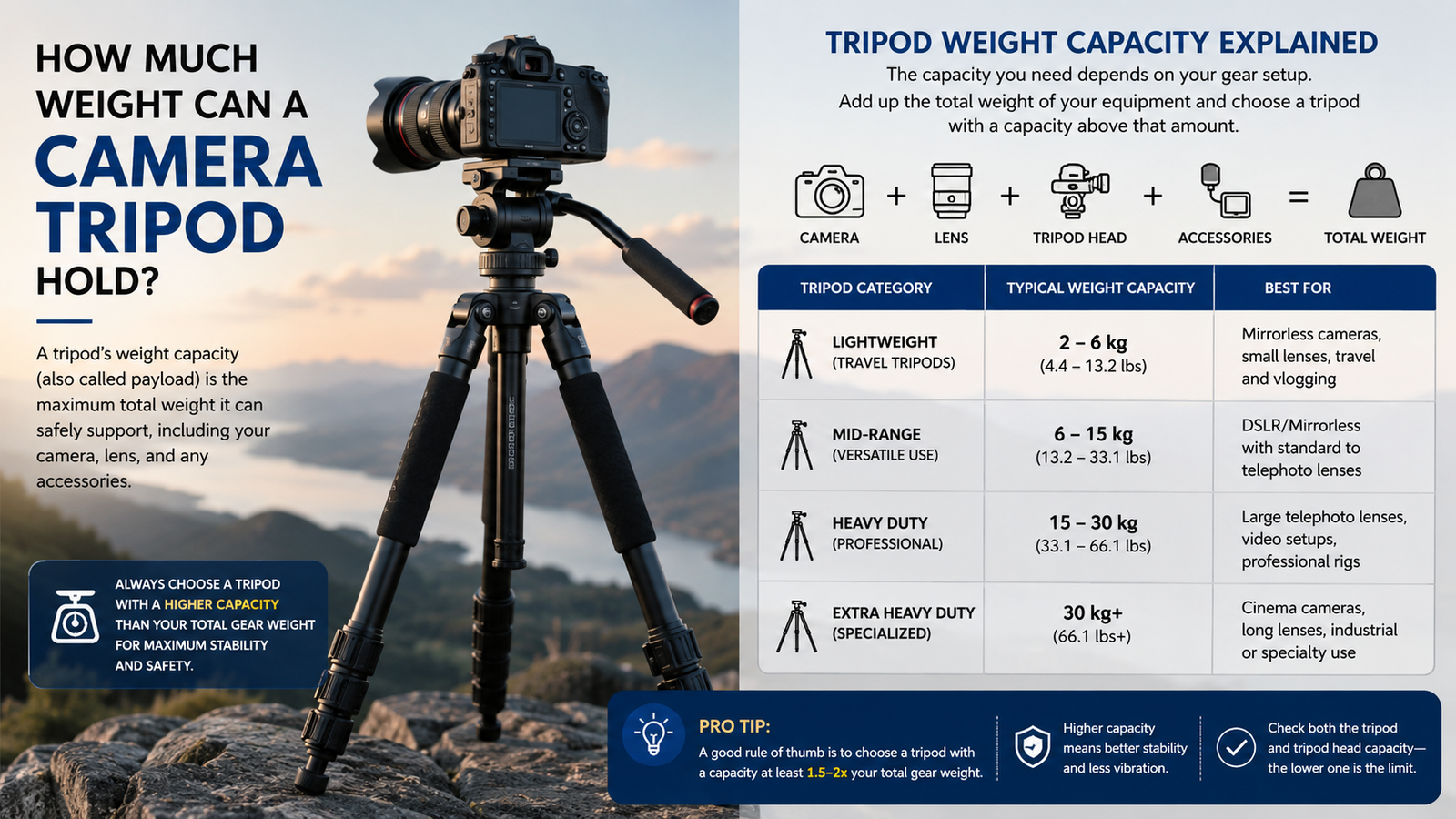
- Reasonable load capacity — enough to hold a DSLR body with a lens attached
- Lightweight, portable build for travel and outdoor shoots
- Adjustable height and angle control for flexible framing
A tripod that checks all five boxes saves you from buying separate stands for your phone and your camera.
Key Features to Compare Before You Buy
- Material — aluminum alloy tripods balance strength and weight well
- Maximum load capacity — look for at least 3–10kg depending on your camera setup
- Operating height range — a tripod that extends to eye level avoids constant bending
- Included accessories — a travel bag, phone holder, or remote shutter adds real value
- Head type — ball heads offer quicker angle adjustments than pan-tilt heads
Types of Tripods: Which One Fits Your Needs
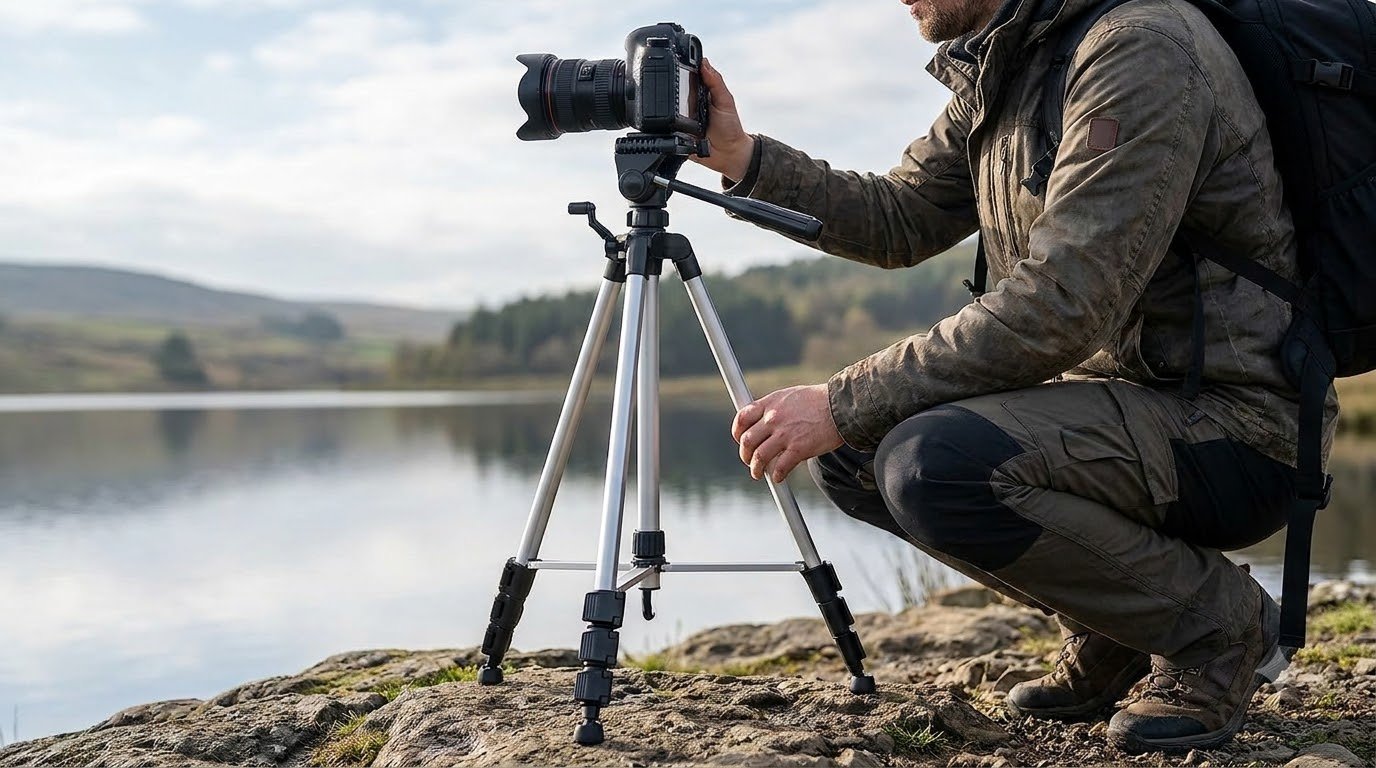
- Full-size tripods — best for stable studio or outdoor shoots with a DSLR or mirrorless camera
- Mini/tabletop tripods — great for flat-lay content, product shots, or desk setups
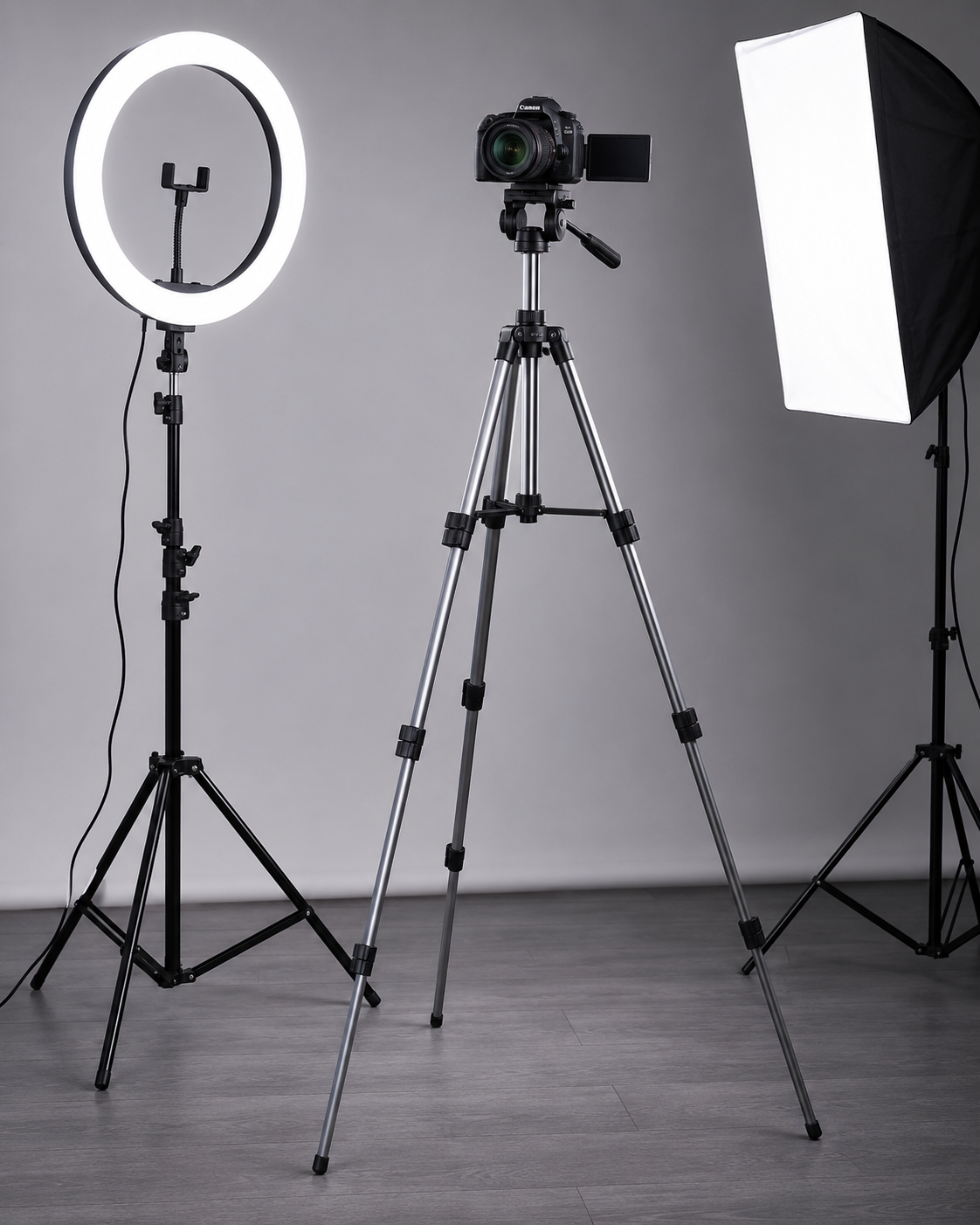
- Tripods with phone holders — ideal if you switch between camera and smartphone shooting regularly (read our detailed guide on camera tripods with phone holders for a closer look)
- Selfie stick tripods — a hybrid option for vloggers who need both handheld and stationary shots
Our Pick: Adofys Tripods Built for Creators
Adofys designs tripods specifically for the way modern creators actually shoot — switching between a camera, an action cam, and a smartphone in the same session. Our lineup includes lightweight aluminum tripods with travel bags, universal phone mounts, and load capacities suited for everyday content creation. Browse the full range on our tripods and camera accessories shop to compare models by height, load capacity, and included accessories.
Tips to Get the Most Out of Your Tripod
- Extend the thickest leg sections first for better stability
- Keep the center column low when shooting in windy or uneven conditions
- Use the included phone holder clamp rather than improvising with tape or rubber bands
- Store your tripod in its travel bag to protect the leg locks and mounting head
- Check the load rating before mounting a heavier DSLR with a zoom lens
Frequently Asked Questions
Can one tripod really work for both a camera and a phone?
Yes, as long as it comes with or supports a universal phone holder attachment alongside the standard camera mounting plate, one tripod can comfortably handle both.
What load capacity should I look for in a camera and phone tripod?
For most DSLR or mirrorless setups with a standard lens, a tripod rated for at least 3–10kg load capacity is generally sufficient.
Is an aluminum tripod better than a plastic one?
Aluminum alloy tripods are generally sturdier and more stable under load compared to plastic tripods, making them a better long-term choice for camera use.
Do phone tripods need a special holder attachment?
Yes, most tripods require a separate phone clamp or holder attachment unless the tripod is sold as a combined camera-and-phone tripod kit.
What height should I choose for a travel-friendly tripod?
An operating height between 50–75 inches works well for most users, offering eye-level framing without adding too much bulk for travel.
Find Your Perfect Tripod with Adofys
Still deciding which tripod suits your shooting style? Explore our full range of camera and phone tripods designed for everyday creators. Shop Tripods Now