Introduction: Why a Tripod with Bubble Level Matters
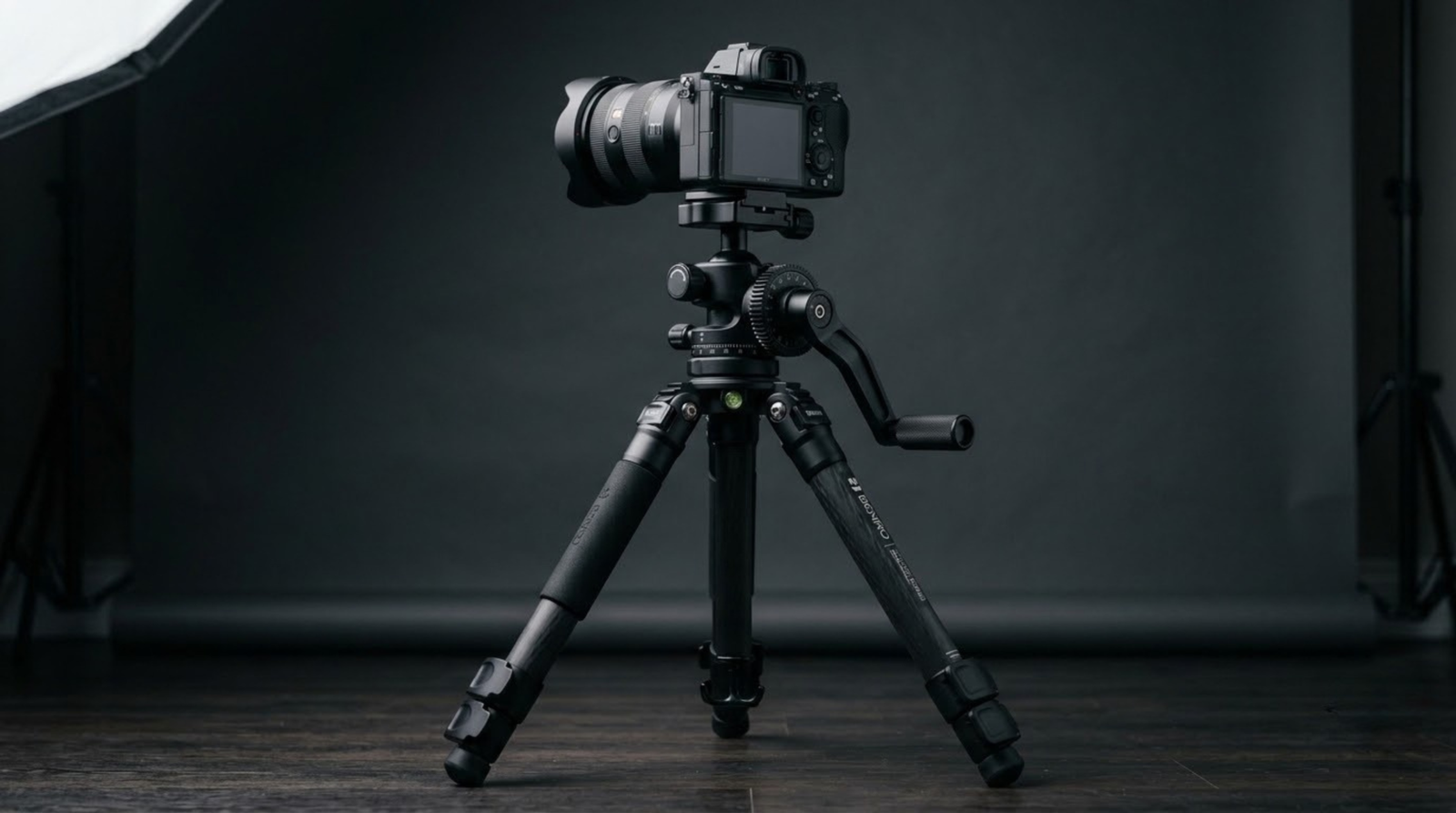
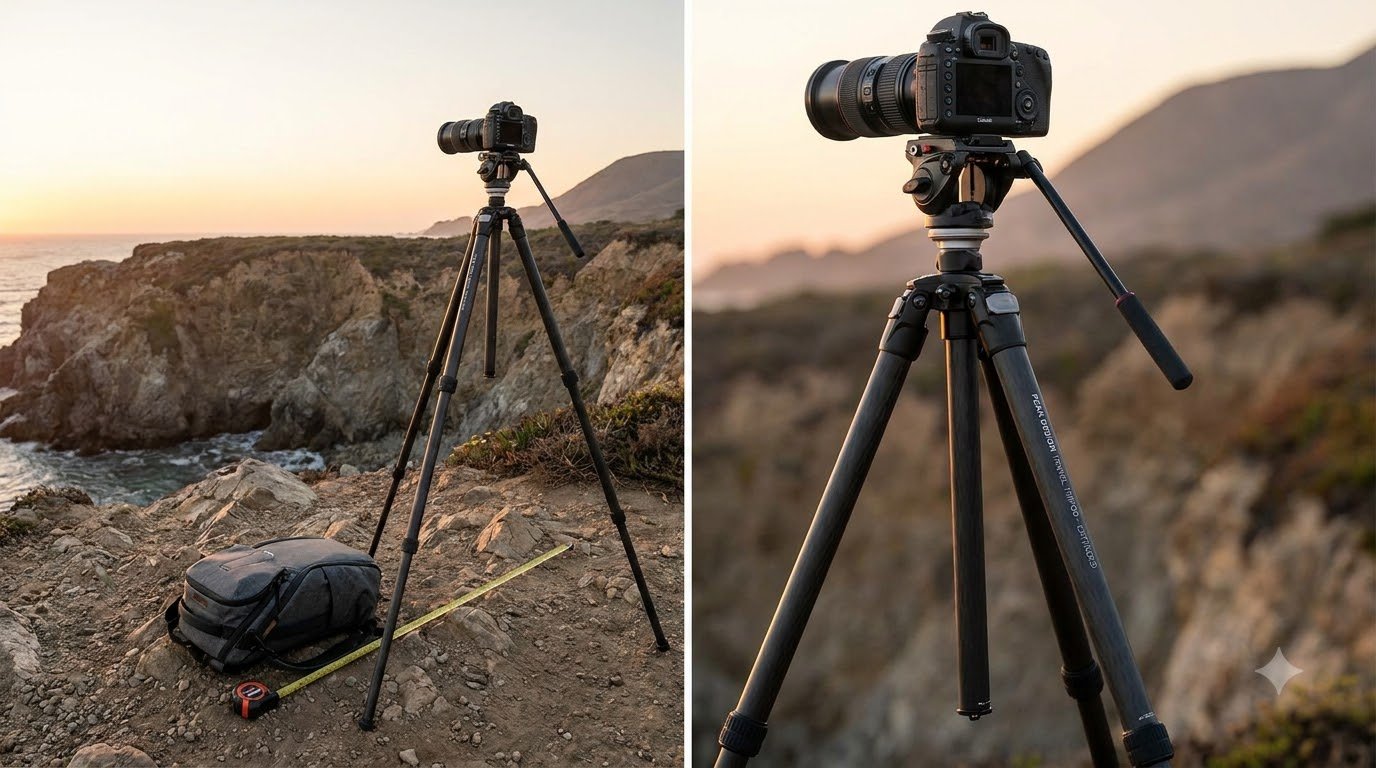
A tripod with bubble level is the simplest way to stop tilted horizons before they happen. Instead of trusting your eyes, or fixing crooked frames in an editing app later, you look at a small bubble, center it and shoot with confidence. It is a tiny feature, but for anyone who shoots landscapes, interiors, product photos or steady video, it makes a big difference.
In this guide, we explain what the built-in level does, where it helps most, and what to look for when you buy one. You will also see how the Adofys 76-inch aluminium tripod brings a bubble level, a 3-way head and a phone holder together in one affordable kit.
What Does a Tripod with Bubble Level Actually Do?
The level is a small sealed vial filled with liquid and a single air bubble. Because the bubble always floats to the highest point, it only rests inside the center mark when the surface underneath is flat. It is the same idea behind the spirit level that carpenters use. On a tripod, it tells you when the head or leg platform is perfectly horizontal, so your camera starts from a true, even base.
Common Types of Tripod Bubble Levels
Not every tripod uses the same style of level. Here are the ones you are most likely to see.
| Level Type | Where It Sits | Best For |
|---|
| Circular (Bullseye) | Tripod head or leg platform | Quick, all-round leveling |
| Single-Axis Vial | Side of the tripod head | Keeping horizons straight |
| Dual-Axis Vials | On the head, set at right angles | Panoramas and precise framing |
| Add-On Hot-Shoe Level | On top of the camera | An extra leveling check alongside the tripod |
Problems a Tripod with Bubble Level Helps You Avoid
A level looks small, but it removes several frustrating problems at once:
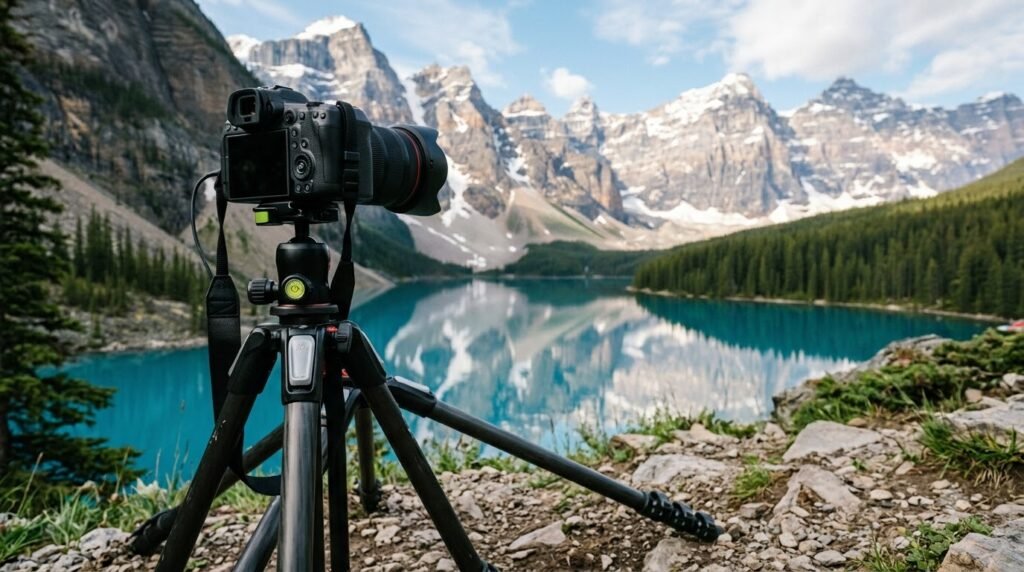
- Sloping horizons: Sea, lake and skyline shots stay straight without any rotation in editing.
- Leaning buildings: Level footing makes it easier to keep vertical lines upright in architecture and interior shots.
- Misaligned panoramas: Each frame is captured from a level base, so stitching is smoother.
- Uneven ground surprises: A head can look flat when the tripod is actually standing on a slope, and the bubble exposes that instantly.
- Wasted time: You spend less time cropping and straightening photos afterward.
Eyeballing vs Trusting the Bubble: A Quick Comparison
Some photographers say they can level by eye. The table shows why a tripod with bubble level is a more reliable habit.
| Situation | Judging by Eye | Using the Bubble Level |
|---|
| Horizon Over Water | Often slightly tilted | Accurately straight |
| Uneven or Sloping Ground | Difficult to notice | Adjust the legs until the bubble is centered |
| Multi-Frame Panorama | Frames may become misaligned | Consistent, level rotation |
| Video Pans | May result in uneven framing | Smoother, level movement |
| Editing Time | Requires extra cropping and rotating | Little to no correction needed |
| Confidence | Based on guesswork | Provides a quick visual check |
How to Set Up a Tripod with Bubble Level on Uneven Ground
Once you know the routine, leveling takes under a minute.
- Open the legs and stand the tripod firmly. Spread the legs to the same angle so the base is wide and steady.
- Watch the bubble as you adjust. If it drifts to one side, lengthen the opposite leg or shorten the leg on that side.
- Set your working height. Extend the leg sections before raising anything else, and keep the top section tight.
- Fine-tune the head. Loosen the head lock, bring the bubble inside the circle, then lock it again.
- Attach your camera or phone and recheck. Tightening the lock or adding weight can shift things slightly, so glance at the bubble once more before you shoot.
Best Places to Use a Tripod with Bubble Level
| Shooting Scenario | Why the Bubble Level Helps |
|---|
| Landscapes and Seascapes | Keeps the horizon perfectly straight |
| Real Estate and Interiors | Maintains upright walls and doorways |
| Product Photography | Provides repeatable, level framing for every shot |
| Timelapse | Keeps frames steady and aligned throughout long sequences |
| Vlogging and YouTube | Creates straight, professional-looking video |
| Family and Event Photos | Allows quick setup on uneven lawns, halls, and stages |
Adofys 76-Inch Tripod: A Tripod with Bubble Level Built for Everyday Creators
If you want these features in one package, the Adofys 76-inch professional aluminium camera tripod is a strong option. According to the product listing, it offers:
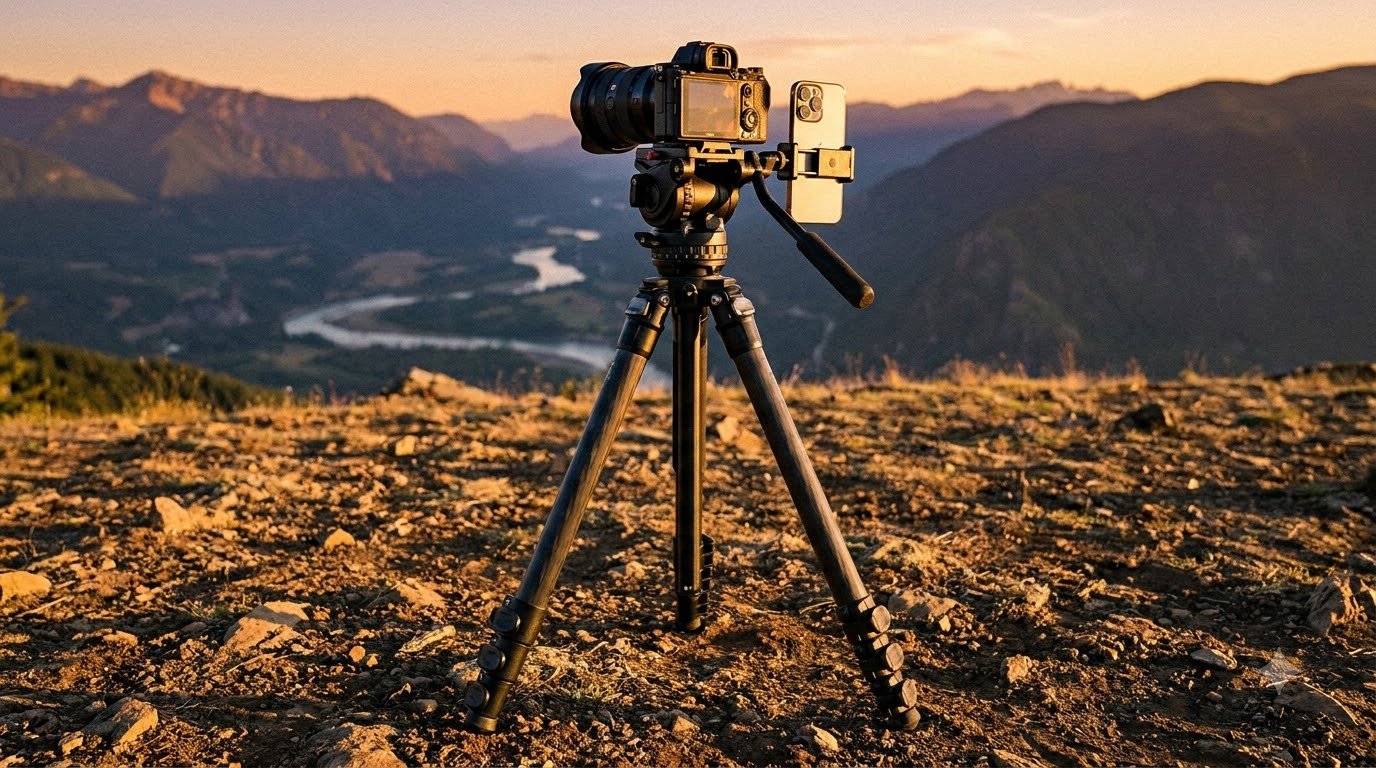
- A 3-way head with a built-in bubble level
- A height range of 22 to 76 inches, folding down for travel
- Aluminium legs with three flip locks and non-slip rubber feet
- A standard 1/4-inch quick-release plate
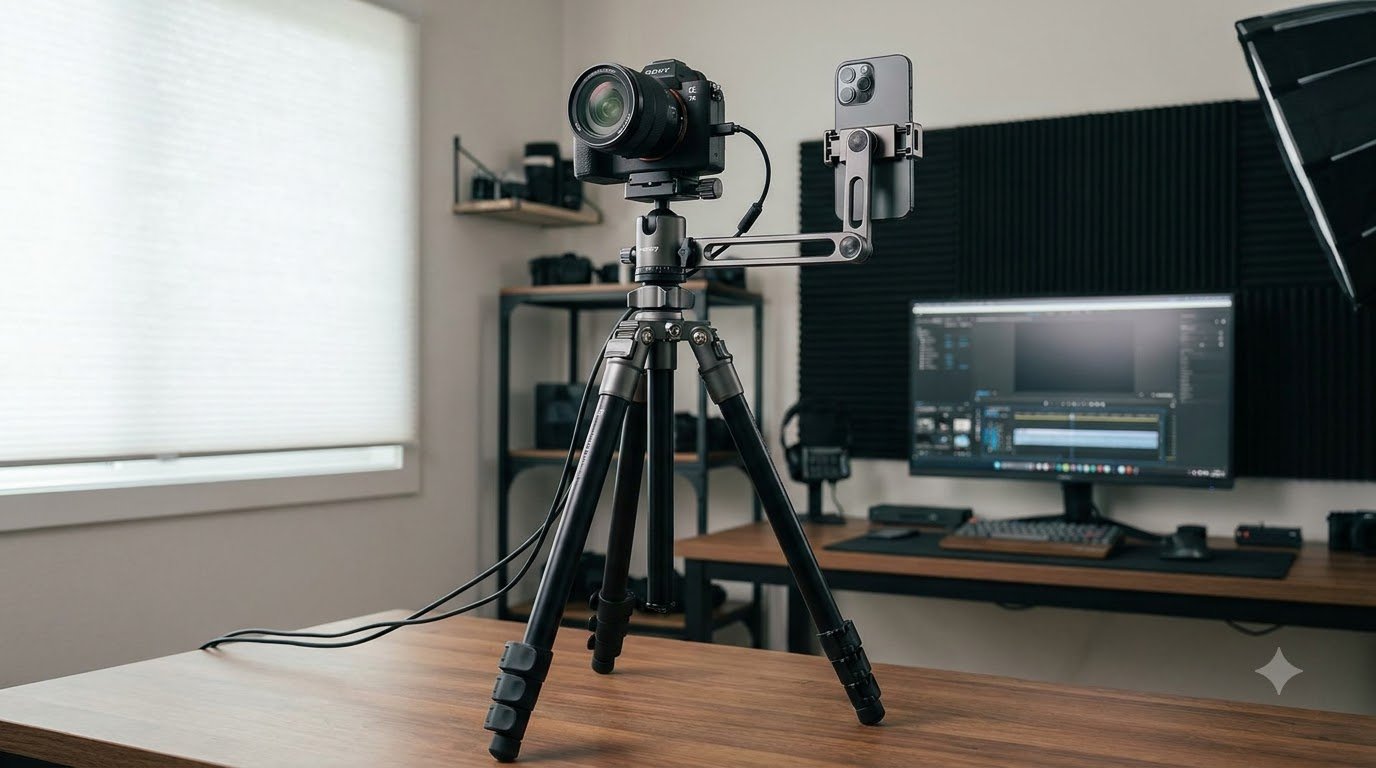
- A travel bag and a phone holder included in the kit
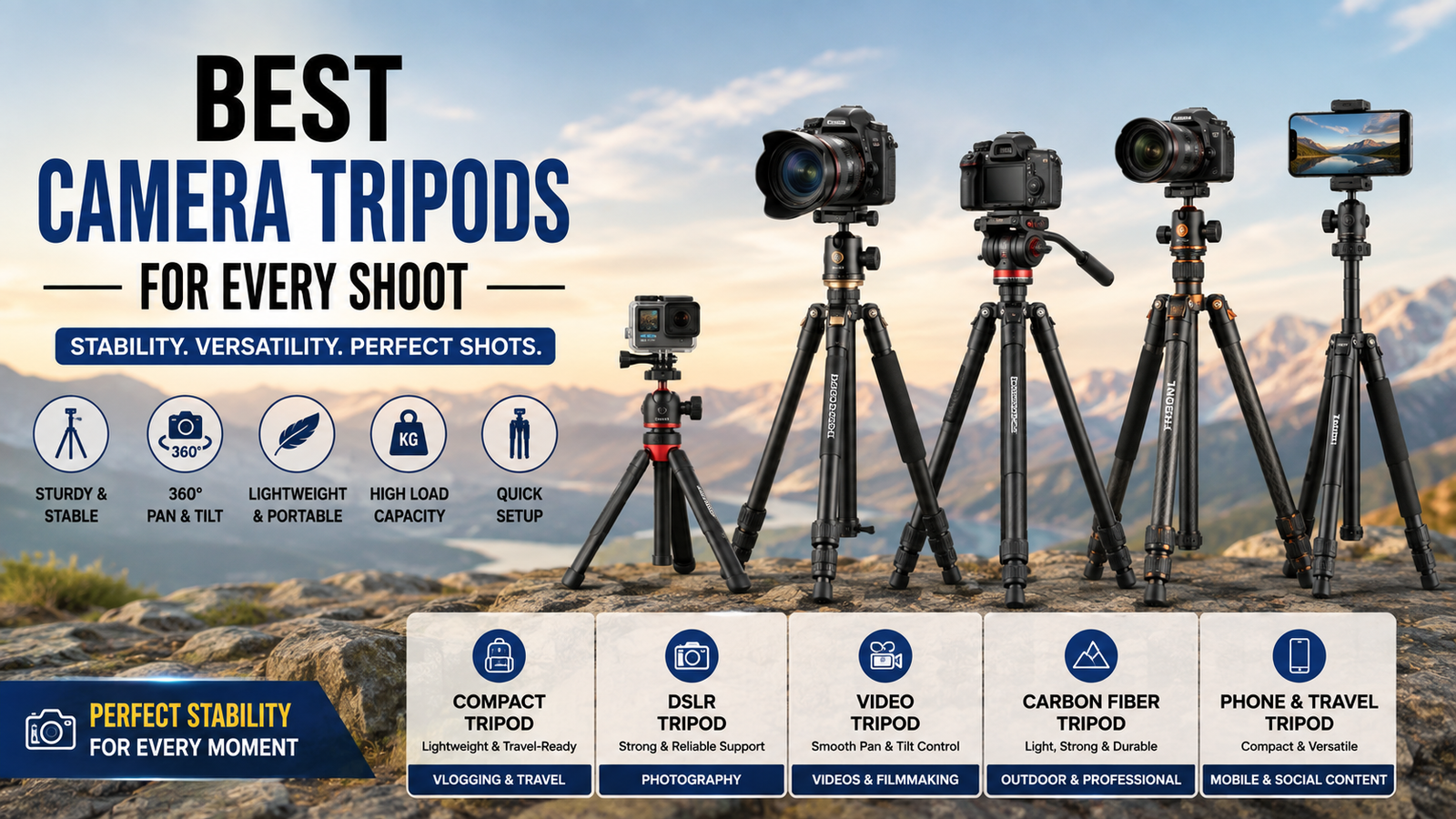
- Compatibility with DSLRs, mirrorless cameras, action cameras, projectors and smartphones
It also has a geared elevator center column for smooth height changes, which you can read more about in our guide to the geared center column tripod. Prefer something lighter? You can compare other models in the Adofys shop.
Why Everyday Creators Pick Adofys
Adofys builds practical mobile and camera accessories under the promise “Make Your Life Better.” From tripods to selfie sticks and fill lights, the range helps you assemble a complete content setup from a single brand. Because the tripod comes with both a travel bag and a phone holder, it works for a camera on Monday and a smartphone on Tuesday. For more product ideas, visit the Adofys blog.
Frequently Asked Questions
What is the bubble on a tripod for?
The bubble shows whether your tripod head or platform is level. When the bubble sits inside the marked circle, your camera starts from a flat base, which keeps horizons straight and framing consistent.
Can I use a tripod with bubble level for my smartphone?
Yes. Attach a phone holder to the 1/4-inch quick-release plate, and a tripod with bubble level works well for reels, tutorials, live streams and photos. The Adofys 76-inch tripod includes a phone holder for this reason.
Is a tripod bubble level better than my camera’s electronic level?
They work best together. The bubble level checks the tripod platform and works without power, while the camera’s electronic level confirms the final framing. Using both gives the most accurate result.
Why does the bubble move after I tighten the head?
Locking the head or adding a heavy camera can shift it by a tiny amount. Always glance at the bubble again after tightening and make a small correction if needed.
Where is the bubble level located on a tripod?
It is usually built into the tripod head, and some models also place one on the leg platform. Many 3-way heads include a circular level so you can check the base at a glance.
Straighten Up Your Shots with Adofys
Straight horizons and steady framing start with a level base. Browse the full range in the Adofys shop, or reach out through the contact page if you would like help choosing the right tripod for your camera or phone.